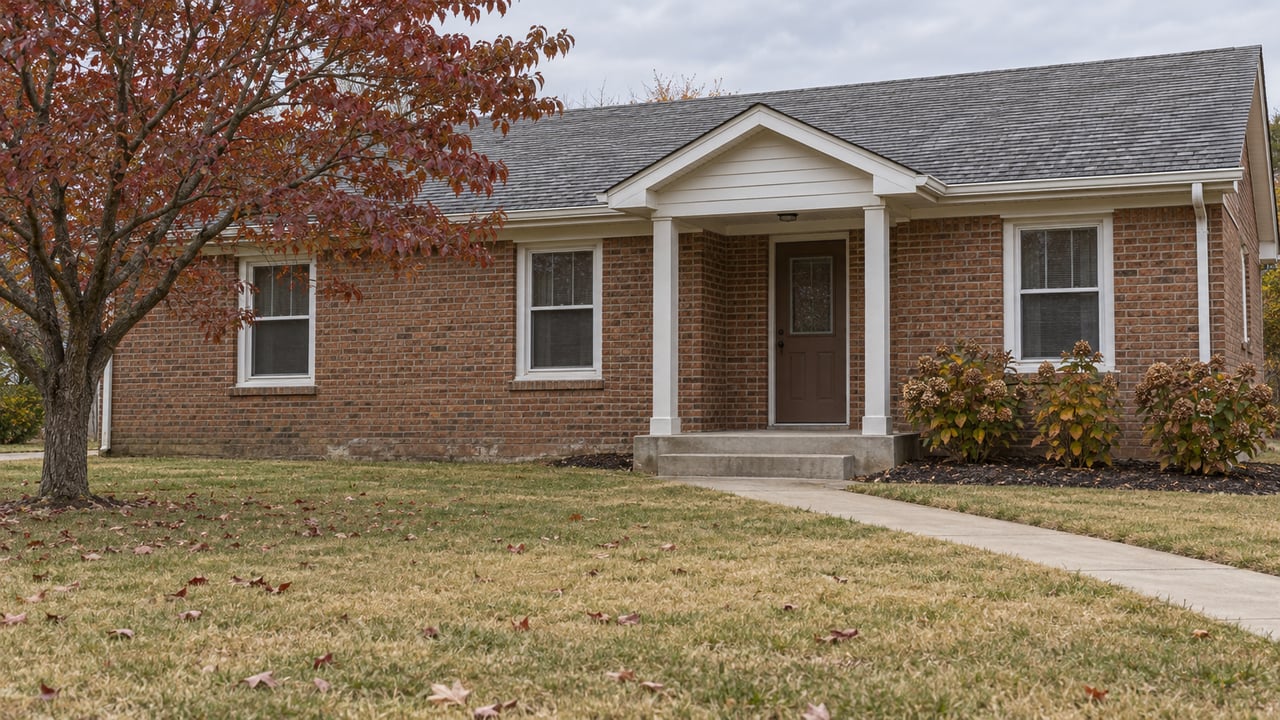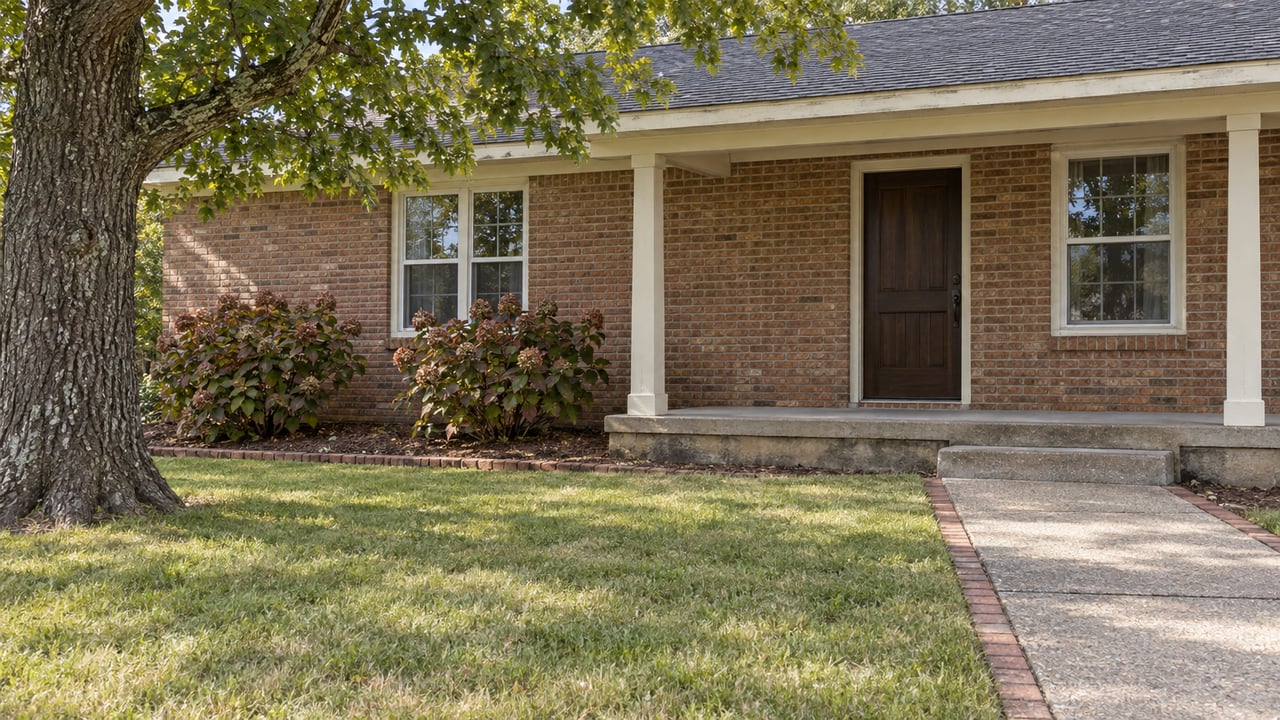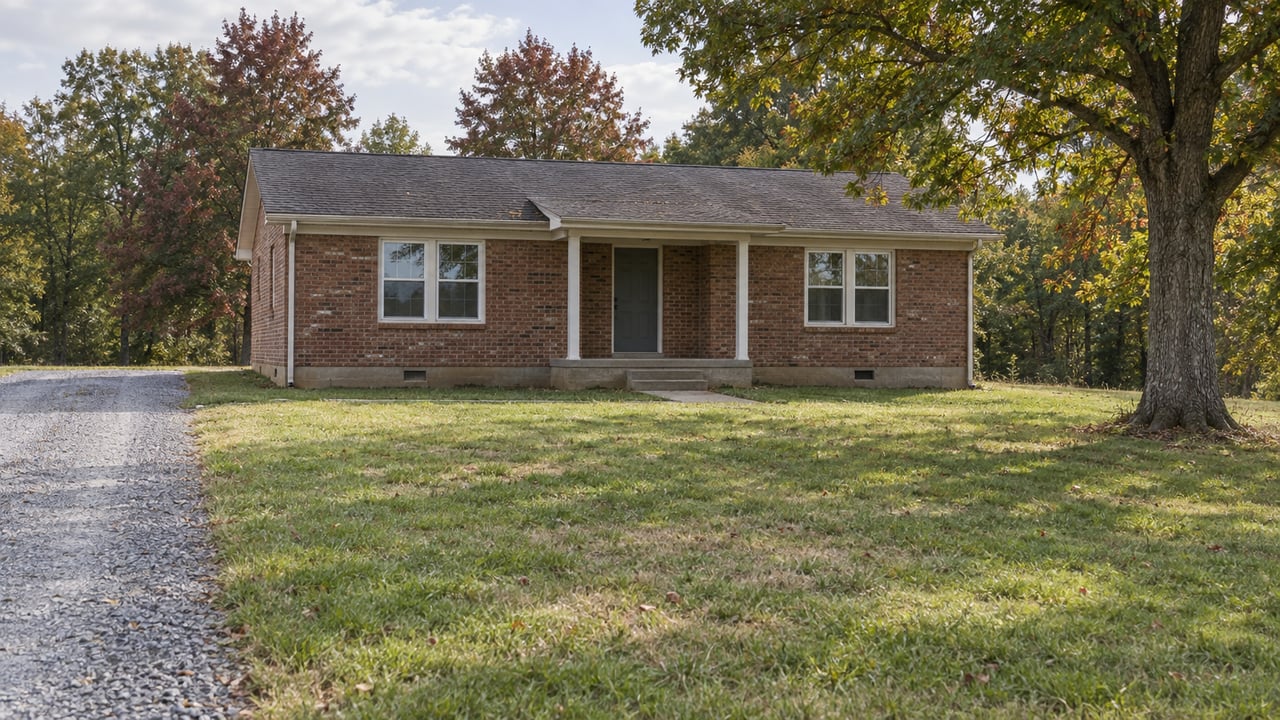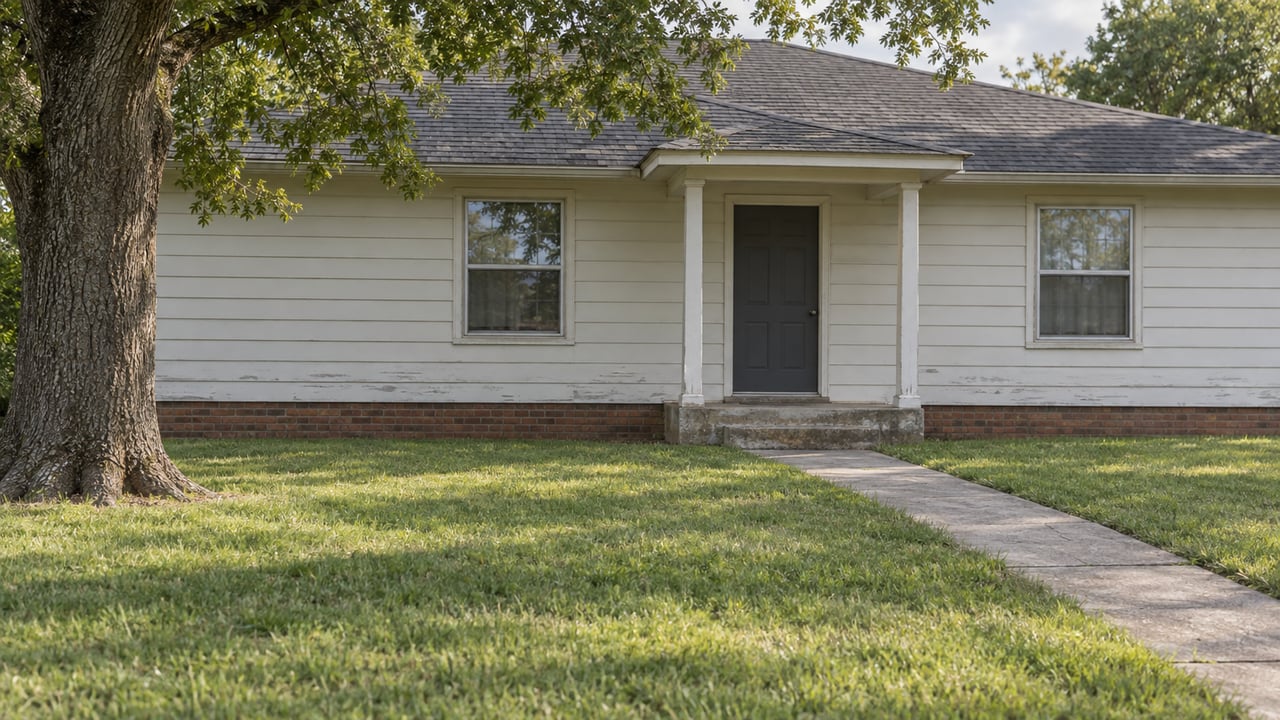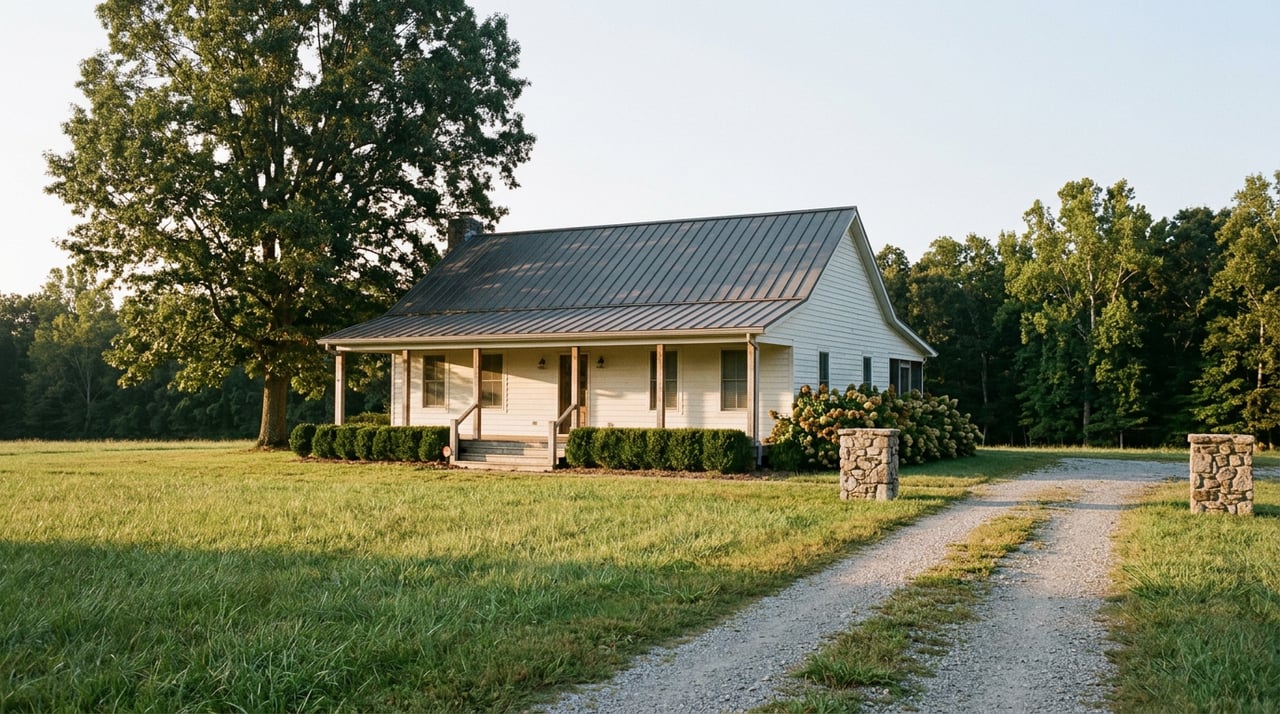
Picture two twenty-acre listings outside Bolivar, priced within a few thousand dollars of each other. One shows an annual tax bill under $200. The other shows something closer to $900. Most buyers assume the cheaper one is the better deal. An appraiser looks at that same pair and asks a different question: which of these is being taxed on what it's worth, and which is being taxed on what it produces.
That gap is Tennessee's Greenbelt Law, and it's the reason a tax card that looks like a bargain can lead to an unexpected rollback bill after closing.
What "Greenbelt" Actually Means On A Hardeman County Tax Card
The Agricultural, Forest and Open Space Land Act of 1976, known statewide as Greenbelt, lets qualifying land get taxed on its present use rather than its market value. A hay field or a stand of managed timber doesn't get assessed as if it were ready to sell for house lots. It gets assessed as a hay field or a stand of timber, which is almost always a smaller number.
Hardeman County participates in this program the same as every other county in the state. The Hardeman County Assessor of Property's own site lists a Greenbelt Applications deadline of March 15 each year, which tells you this isn't a rarely used provision. It's an active part of how rural land gets valued here, administered out of the same office that handles every parcel in the county.
Three categories qualify. According to PADCTN’s Greenbelt guidance, agricultural land needs at least 15 acres in production, or 10 to 14.99 acres if the owner has another qualifying tract. Forest land needs at least 15 acres under a documented management plan. Open space land needs at least 3 acres preserved in a natural condition. Each one gets valued at use value instead of market value, and that's where the low number on the listing sheet comes from.
The Rollback Bill: What Triggers It And Who Pays
Use value isn't a permanent discount. It's a conditional one. Tennessee law sets the lookback period by category.
| Classification | Minimum acreage | Rollback lookback |
|---|---|---|
| Agricultural | 15 acres (10-14.99 with a second qualifying tract) | 3 years |
| Forest | 15 acres | 3 years |
| Open Space | 3 acres | 5 years |
The statute is specific about who owes it. According to CTAS, if a sale disqualifies the land, the seller is liable by default unless a written contract says otherwise. If the buyer declares in writing at closing an intention to keep the Greenbelt classification but then fails to file the required continuation paperwork within 90 days of the sale date, liability shifts entirely to the buyer.
None of this shows up as a line item during a normal showing. It surfaces later, as a notice from the assessor. Under Tennessee Code § 67-5-1008, the rollback bill is payable from the date it's issued but not delinquent until March 1 of the following year. By then the deal has closed and the number is fixed.
Why Hardeman's Low Rate Makes This Easier To Miss
Hardeman County's certified property tax rate was set at $1.8102 per $100 of assessed value following the county's most recent reappraisal, down from $2.55, according to reporting from the Hatchie Press. Combined with typical assessed values in the county, that produces effective tax rates that run well under one percent and annual bills that often land somewhere around $500. Numbers that small don't feel like they're hiding anything.
That's exactly the problem. A low overall tax environment makes the gap between use value and market value feel irrelevant, because both numbers are small compared to what a buyer in a higher-cost county might see.
A cheap tax bill isn't proof the land is cheap to own. It's proof the county is taxing it on what it produces, not what it's worth.
Before You Write The Offer
If you're looking at acreage near Bolivar and the tax bill looks unusually favorable, a few questions are worth asking before you get to the closing table.
- Confirm current Greenbelt status directly with the Hardeman County Assessor of Property. A listing sheet or an agent's printout reflects what was true when it was pulled, not necessarily what's true today.
- Ask whether the seller intends the land to stay in its qualifying use after the sale.
- If you intend to keep farming, timbering, or preserving the land, get that intention in writing at closing and file the continuation paperwork with the assessor's office within 90 days. Missing that window shifts the rollback bill to you entirely.
- Have your closing attorney address rollback liability explicitly in the contract rather than assuming the statute's default rule works in your favor.
What This Means If You're The Seller
If you're planning to sell acreage that's currently enrolled, it's worth finding out from the assessor's office what a rollback bill would actually total before you set a price or negotiate who pays it. That number belongs in the pricing conversation, not in a surprise notice that lands after the deed is recorded.
A Few Questions Worth Asking
Is the rollback bill negotiable at closing? The statute sets default liability, but a written contract can shift that responsibility between buyer and seller. This is a conversation for a closing attorney, not something to leave to default rules.
Land value in Hardeman County is rarely just one number. It's a market number, a use-value number, and sometimes a gap between the two. Knowing which number you're looking at, and what happens when it changes, is the kind of detail that separates a clean acreage closing from a surprise one.
If you're evaluating rural property near Bolivar, whether you're buying, selling, or trying to understand what a Greenbelt-enrolled tract actually costs to own, Gina Inlow brings appraisal-informed pricing to that conversation before you're under contract, not after. Schedule a free consultation to talk through the specifics of a property you're considering.
This article is general information, not legal, tax or financial advice. Consult a qualified professional about your situation.