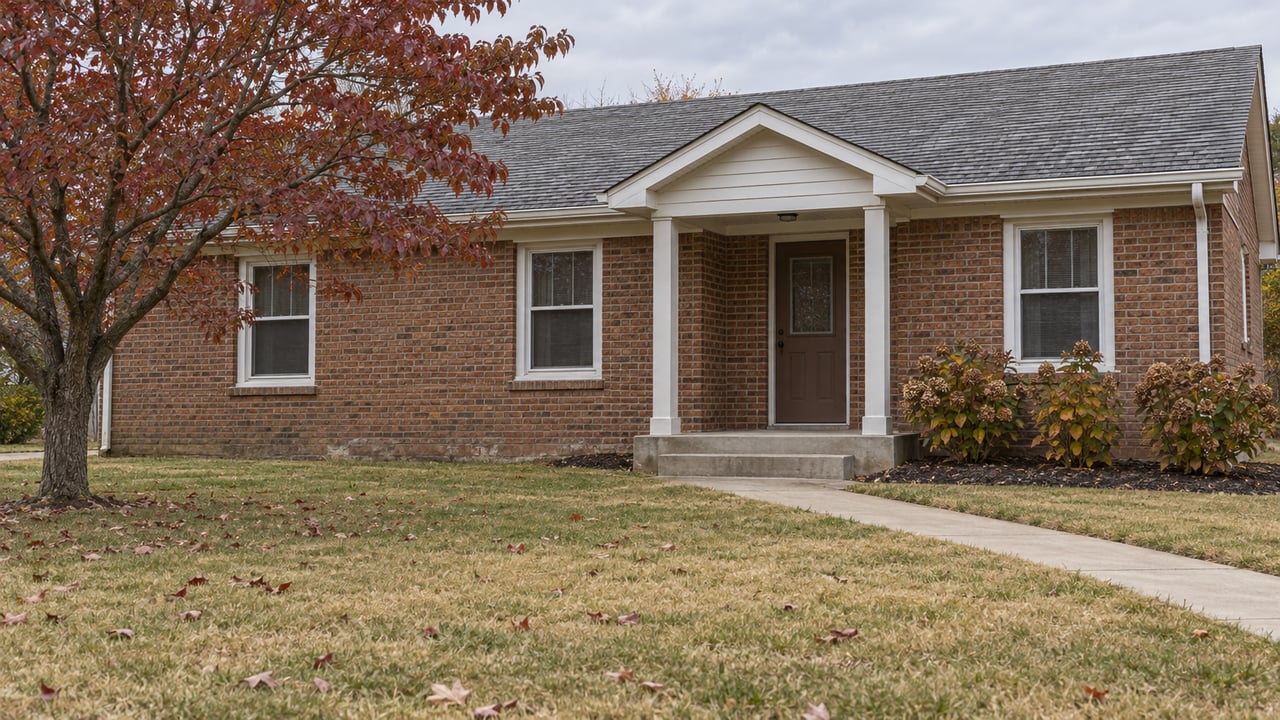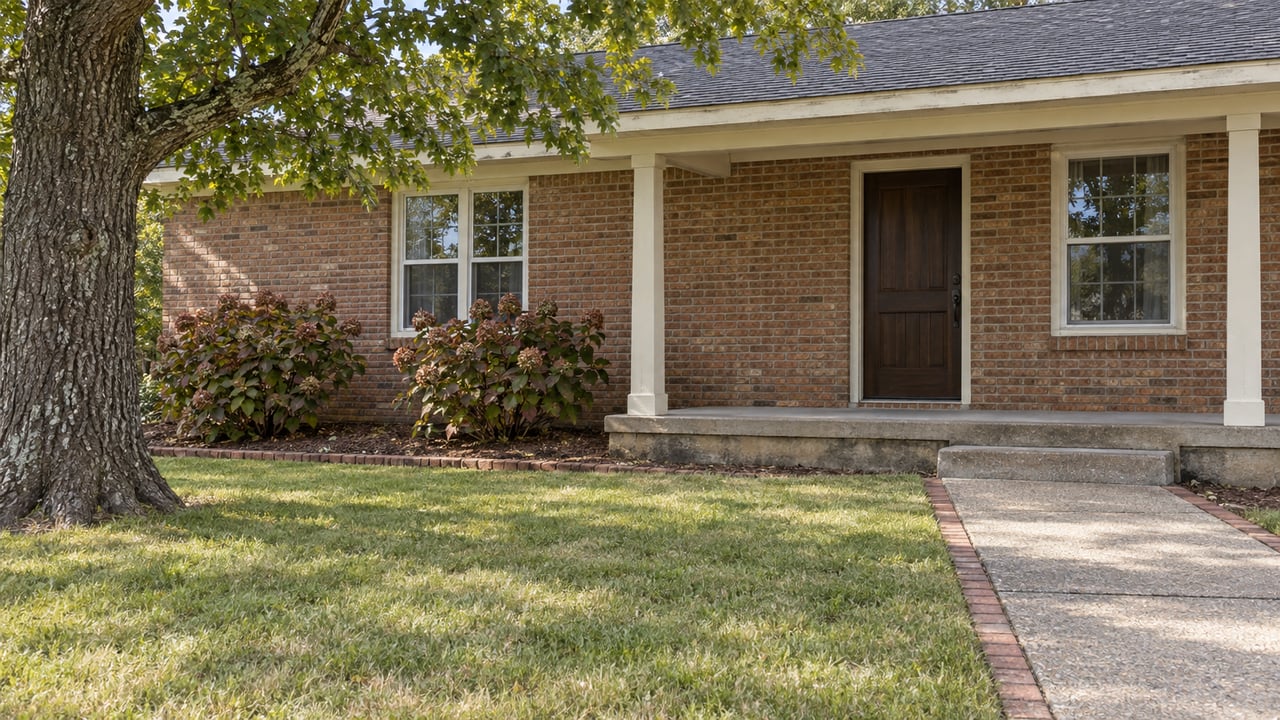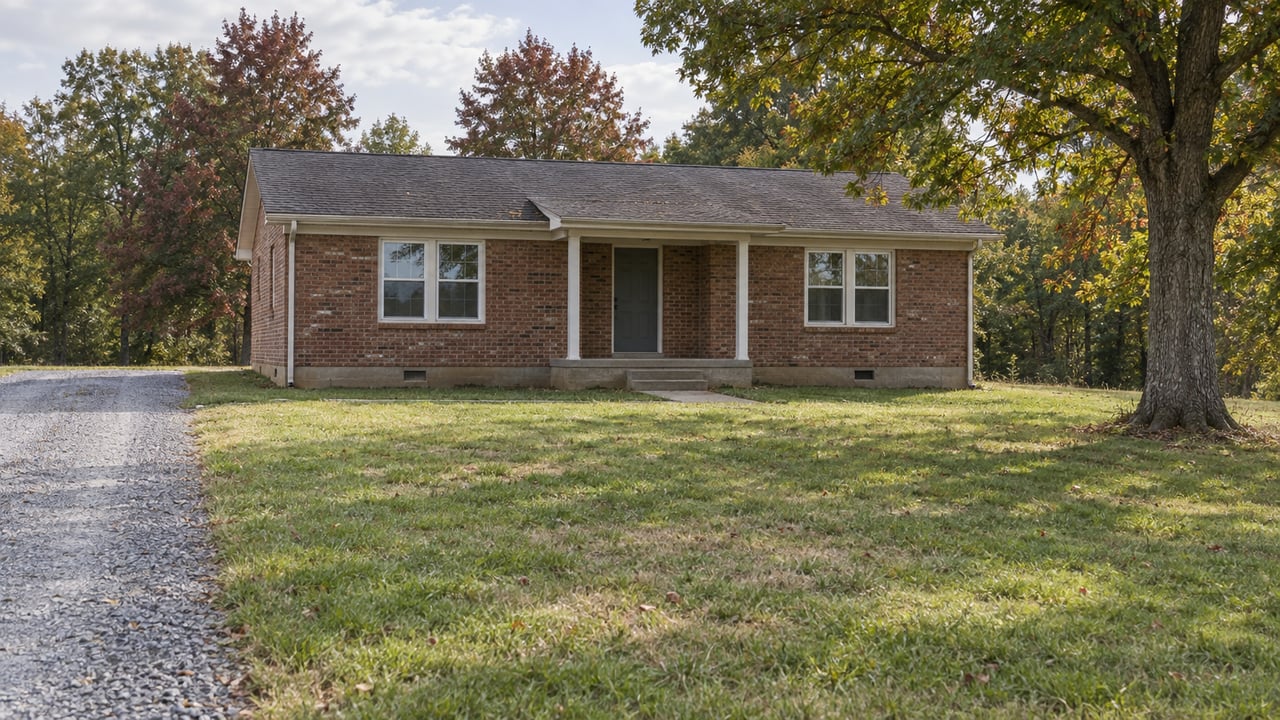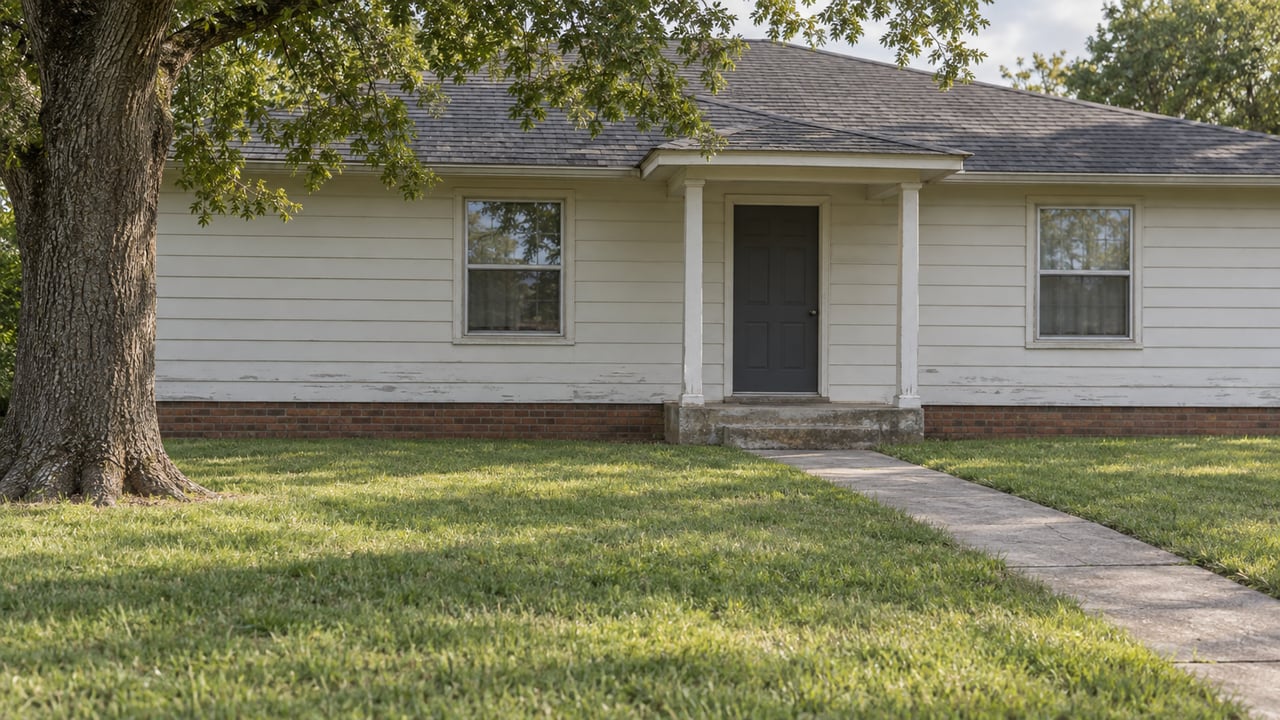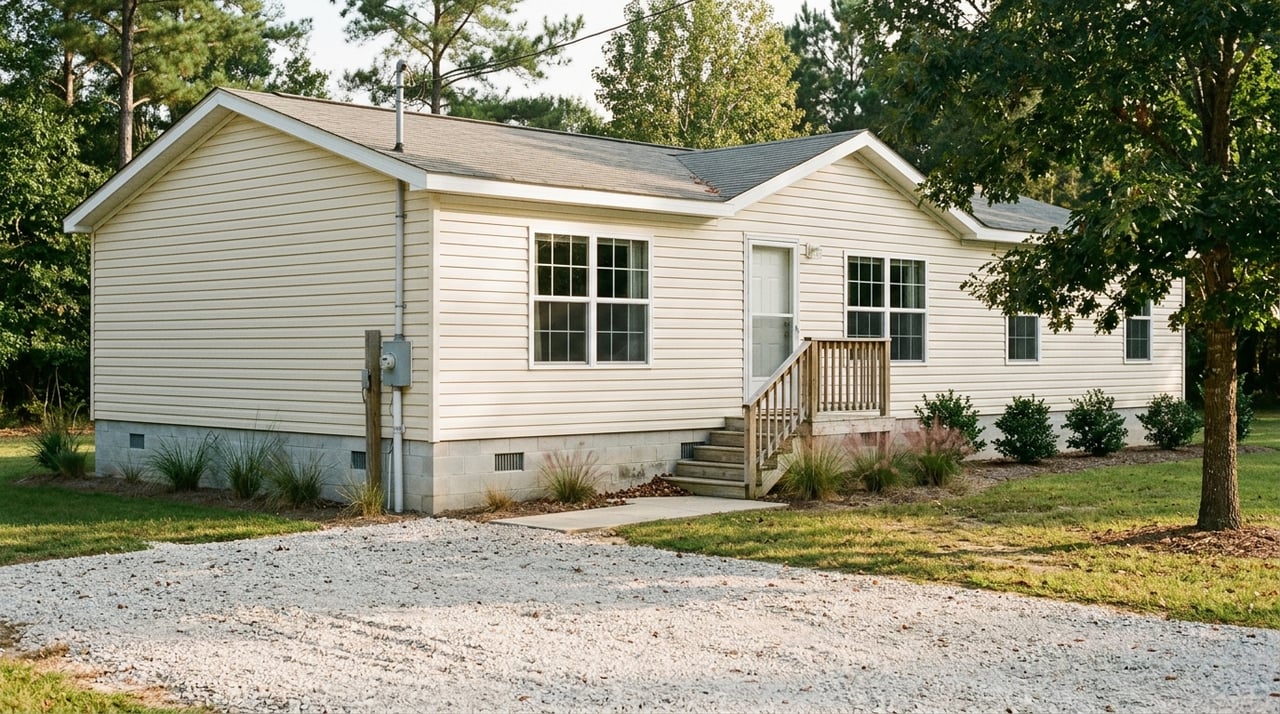
If you are thinking about buying a manufactured home and land around Middleton, the home itself is only part of the decision. The bigger questions usually involve the land, the title, the permits, and whether the property will work the way you expect once you own it. If you understand those pieces early, you can avoid expensive surprises and make a much more confident move. Let’s dive in.
Why title status matters first
When you buy a manufactured home, one of the first things to clarify is whether the home is being treated as personal property or real property. That distinction affects financing, taxes, and sometimes how the property is valued during the buying process.
In Tennessee, a manufactured home that is permanently affixed to land can be de-titled. Once that happens, the home is assessed and taxed as an improvement to the land. For many buyers, that makes a home-plus-land purchase a stronger long-term setup than buying a home without the land under it.
HUD standards also matter when you are looking at age and construction type. Manufactured homes built after June 15, 1976, fall under HUD Code, and those homes should have a red certification label on each transportable section. If you are considering an older unit, it is especially important to verify the age and title history before you move forward.
Understand zoning around Middleton
Around Middleton, zoning is not one-size-fits-all. A property may fall inside the City of Middleton or in unincorporated Hardeman County, and that can change which rules apply.
That matters because city and county rules are not identical. Middleton’s ordinance includes an M-HR district for mobile home parks, while its E, R-1, R-2, and R-3 districts exclude mobile homes. Hardeman County’s zoning framework includes an R-MH district and also outlines standards for manufactured residential dwellings where allowed.
Before you assume a parcel can take a manufactured home, confirm exactly where it is located and which zoning code controls it. Hardeman County’s zoning office lists zoning permits, occupancy permits, subdivision plat approval, rezoning, and variances, and Middleton requires site plan review before a building permit is issued.
Compare three common buying paths
If you are shopping around 38052 and the surrounding area, you will usually see one of three setups. Each can work, but each comes with different tradeoffs.
Home-only purchase
A home-only purchase may look simpler at first because you are not buying land at the same time. But this setup is also the one most likely to be treated as personal property.
According to CFPB, personal-property financing, often called a chattel loan, tends to come with higher interest rates, fewer consumer protections, and more limited refinance activity than a mortgage. That does not make a home-only purchase wrong, but it does mean you should go in with clear expectations.
Home plus acreage
Buying the home and land together is often the most flexible structure if you plan to own the site and permanently place the home there. In Tennessee, that can open the door to de-titling the home and treating it as real property once it is properly affixed.
This path can also broaden financing options. From a value standpoint, it gives more room to consider the land, access, utilities, and site improvements as part of the overall property picture.
Utilities-ready land
Some buyers choose land first and then plan to place a manufactured home later. A parcel with utility work already in place can reduce part of the installation risk, but “ready” does not always mean fully approved.
A tract still has to line up with zoning, septic requirements, water access, site conditions, and foundation needs. What looks promising from the road may still need more work before a home can legally and practically be placed there.
Financing often depends on land ownership
One of the biggest differences in this market is whether you will own the underlying land. CFPB notes that borrowers who own the land may be eligible for mortgage financing instead of personal-property financing.
That can make a major difference in both monthly cost and long-term flexibility. Freddie Mac also notes that when the buyer owns the site, the home can be titled as real property once affixed to the land, which generally creates more financing options and stronger homeowner protections.
There are also specific programs that may fit certain situations. HUD’s Title I Manufactured Home Loan Program can finance a home, a lot, or the combination of both, and if the lot is leased, the initial lease term must be three years. USDA Rural Development also says its rural loan programs can help with eligible manufactured-home financing, including some costs tied to land, installation, site development, and setup when program requirements are met.
Site work can change your real budget
With manufactured homes, the site can drive a large share of the total cost. Buyers sometimes focus on the home price first, but the land improvements often determine whether the deal still makes sense.
HUD says buyers should evaluate drainage away from the home, stable soil, foundation and anchoring, utility hookups, perimeter enclosure requirements, and access to the site. For homes built after 2008, HUD also says tie-downs or anchors are required after blocking and leveling.
In Tennessee, septic and water are not just construction details. TDEC says a Septic System Construction Permit is required before a septic system is installed or repaired, and that permit should be obtained before any dirt work or construction, including the building pad. Tennessee also requires licensed well drillers and installers for water wells.
A simple due diligence checklist
Before you commit to a manufactured home and land purchase around Middleton, work through the basics in order:
- Confirm whether the parcel is in the City of Middleton or unincorporated Hardeman County
- Verify the zoning district and whether your intended home type is allowed there
- Ask what permits or site plan reviews are required
- Confirm your septic plan and whether a permit will be needed
- Confirm how water will be provided, such as public service or a well
- Decide whether the home will remain personal property or be converted to real property
- Estimate foundation, anchoring, utility, and access costs before finalizing your budget
This sequence matters because a property can look usable and still fail permit or zoning review. It is much easier to sort that out before closing than after.
Appraisal can be different for manufactured homes
Manufactured-home appraisals are not always as straightforward as appraisals for standard site-built homes. Fannie Mae says these valuations should be market-based and rely on a well-developed sales comparison approach supported by the cost approach.
At least two comparable sales of manufactured homes are generally required. If the home is a single-width, one comparable should be the same single-width configuration when available. If local comparable sales are limited, the appraiser may use older sales or sales from a competing area, but the adjustments must be explained and supported.
The site also matters in the appraisal. Fannie Mae says the appraiser must evaluate things like site size, shape, topography, utilities, street improvements, access, and whether the site conforms to the market area.
In practical terms, that means value is often shaped by more than the home itself. Around Middleton and Hardeman County, acreage, utility status, access, and how complete the site is can all influence how a lender and appraiser view the property.
Why local evaluation matters in Hardeman County
This is where a calm, property-by-property approach really helps. Manufactured homes on acreage or on partially improved land often do not fit neatly into an online estimate or a simple price-per-square-foot shortcut.
You need to look at the home, the land, the title setup, the zoning, and the likely appraisal path together. A property that seems like a bargain can become expensive quickly if septic, access, or foundation work is still unresolved.
On the other hand, a well-located home-plus-land property with the right setup may offer a more stable ownership path and better financing options. Around Middleton, those details often make the difference between a smooth transaction and a stressful one.
If you want help sorting through manufactured homes, acreage, and value questions in the Middleton area, Gina Inlow offers practical, appraisal-informed guidance so you can make a decision with more clarity and fewer surprises.
FAQs
What should you verify before buying manufactured homes around Middleton?
- Confirm whether the parcel is inside Middleton or in unincorporated Hardeman County, then verify zoning, permit requirements, septic plans, water access, and whether the home type is allowed on that site.
How does title status affect manufactured home financing in Tennessee?
- If the home is treated as personal property, financing is often a chattel loan, which CFPB says tends to have higher rates and fewer protections. If the home is affixed to land you own and converted to real property, mortgage options may be broader.
Can you place a manufactured home on any lot in the Middleton area?
- No. Placement depends on which local zoning rules apply, along with permit review, site access, setbacks, utility plans, and whether the parcel meets local and state requirements.
What permits matter for manufactured home land in Hardeman County?
- Depending on the property, buyers may need to address zoning permits, occupancy permits, site plan review, and septic permitting. Septic approval in Tennessee should be handled before dirt work or construction begins.
Why do appraisals for manufactured homes and land work differently?
- Fannie Mae requires manufactured-home appraisals to use manufactured-home comparable sales and also consider the site itself, including access, utilities, topography, and market conformity. That can make valuation more detailed than a typical site-built home appraisal.
Is buying land with utilities already installed always the better option?
- Not always. Utilities-ready land can reduce some setup risk, but the site still has to meet zoning, septic, water, access, and foundation requirements before it is truly ready for a manufactured home.