Wondering if a newer subdivision in Bolivar will give you a simpler home search, fewer repair headaches, and a smoother closing? That is a smart question, especially in a small market where inventory can be limited and not every “newer” neighborhood looks the same. If you are comparing in-town homes, larger-lot subdivisions, and nearby rural options, this guide will help you understand what to look for, what affects value, and what to verify before you make an offer. Let’s dive in.
What “newer subdivisions” means in Bolivar
In Bolivar, newer subdivisions do not always mean rows of brand-new homes built by one large builder. The local market shows a mix of in-town subdivision homes, larger residential lots, and planned areas that may feel more country-like while still being part of a recorded neighborhood layout.
That matters because your search may include homes built in the late 1990s or 2000s, newer resale homes, and subdivision lots that are ready for future building. In this market, “newer subdivision” often describes the setting, lot layout, and utility planning as much as the age of the house itself.
Why supply can feel limited
Bolivar is a small market, and that affects both inventory and pricing. Recent market snapshots show about 35 homes for sale and 7 new listings as of May 31, 2026, which points to a thin inventory environment where choices can be limited and comparable sales are not always plentiful.
Direct new-construction supply also appears limited inside Bolivar itself. Current searches show little brand-new inventory in town, and buyers looking for a newly built or near-new subdivision home may need to widen the search beyond city limits or into nearby communities.
What newer subdivision homes look like
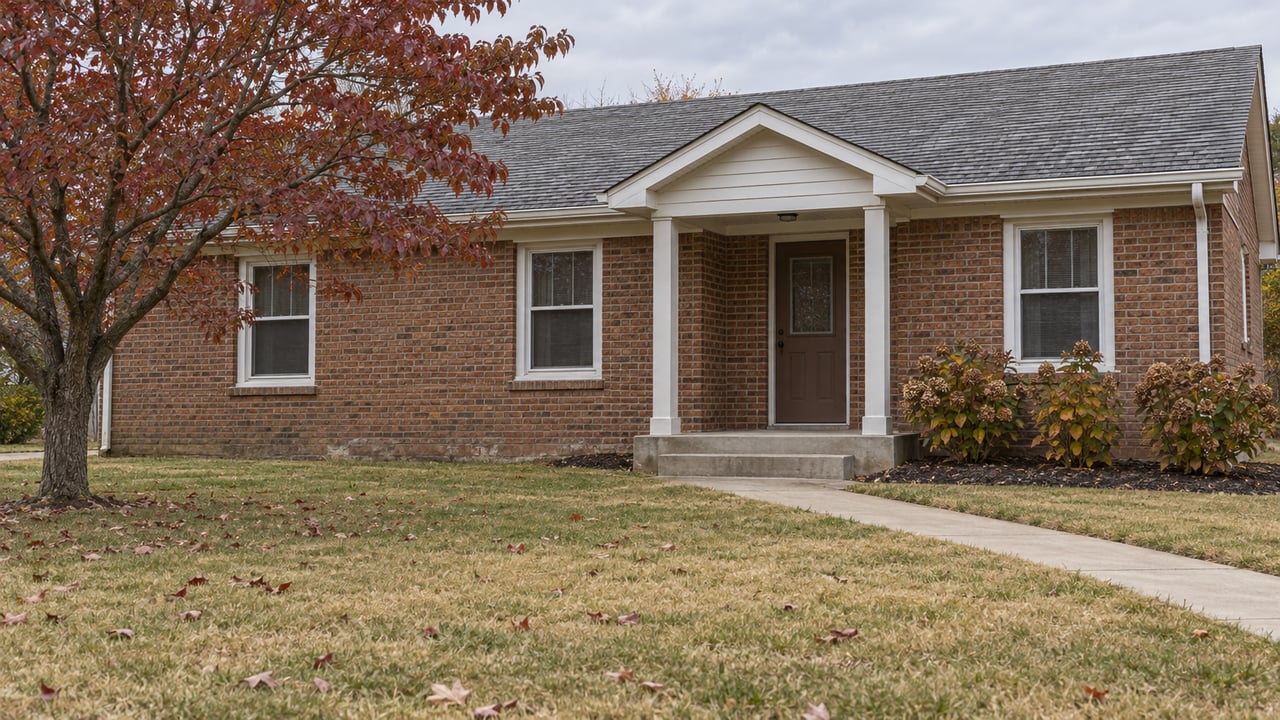
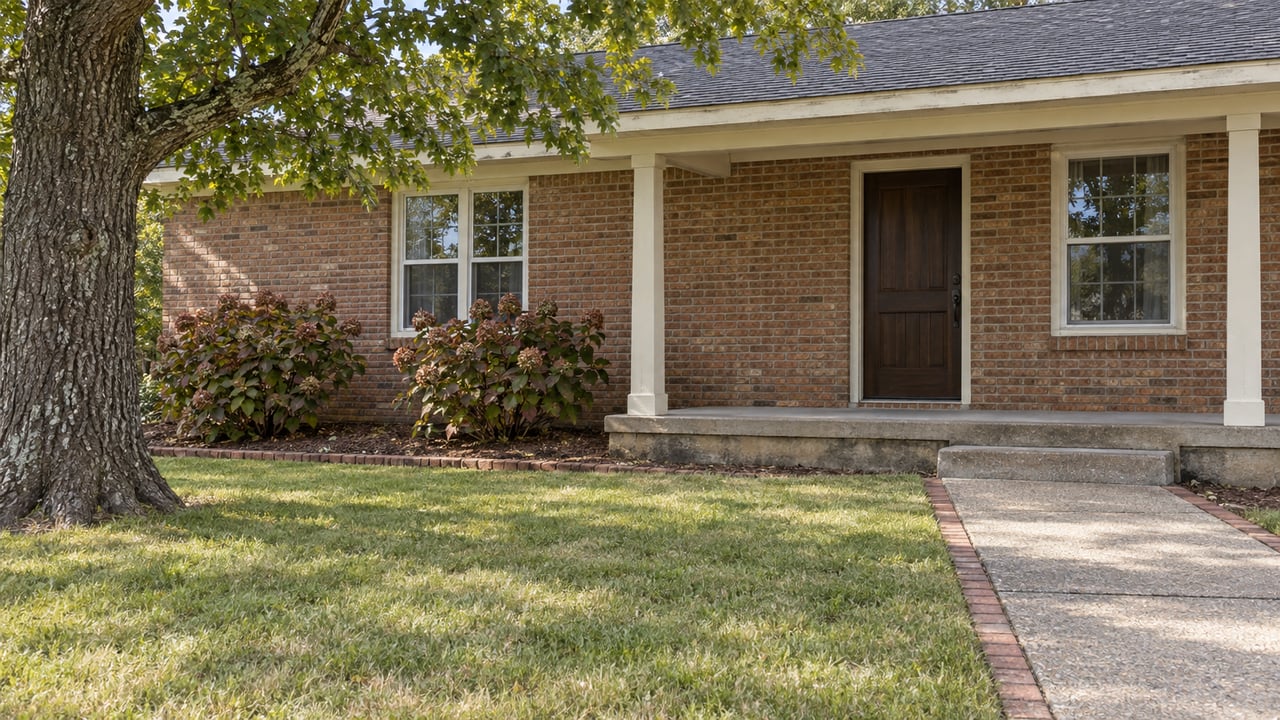
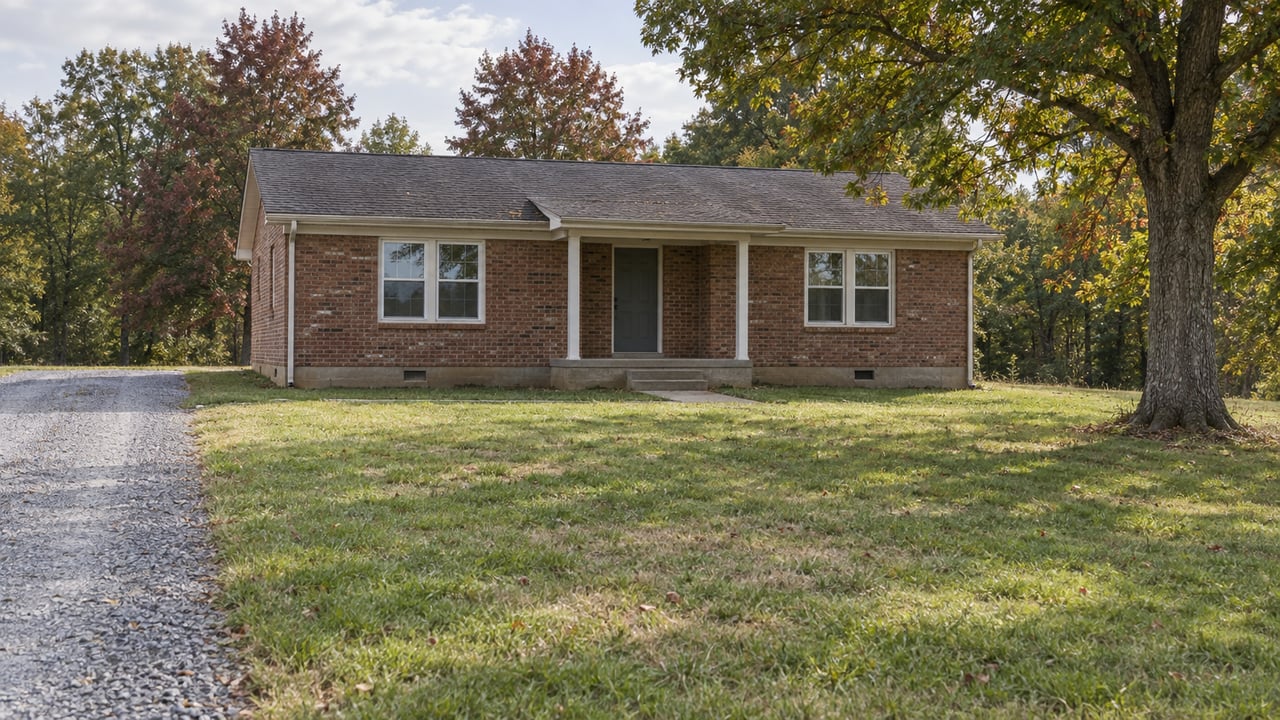
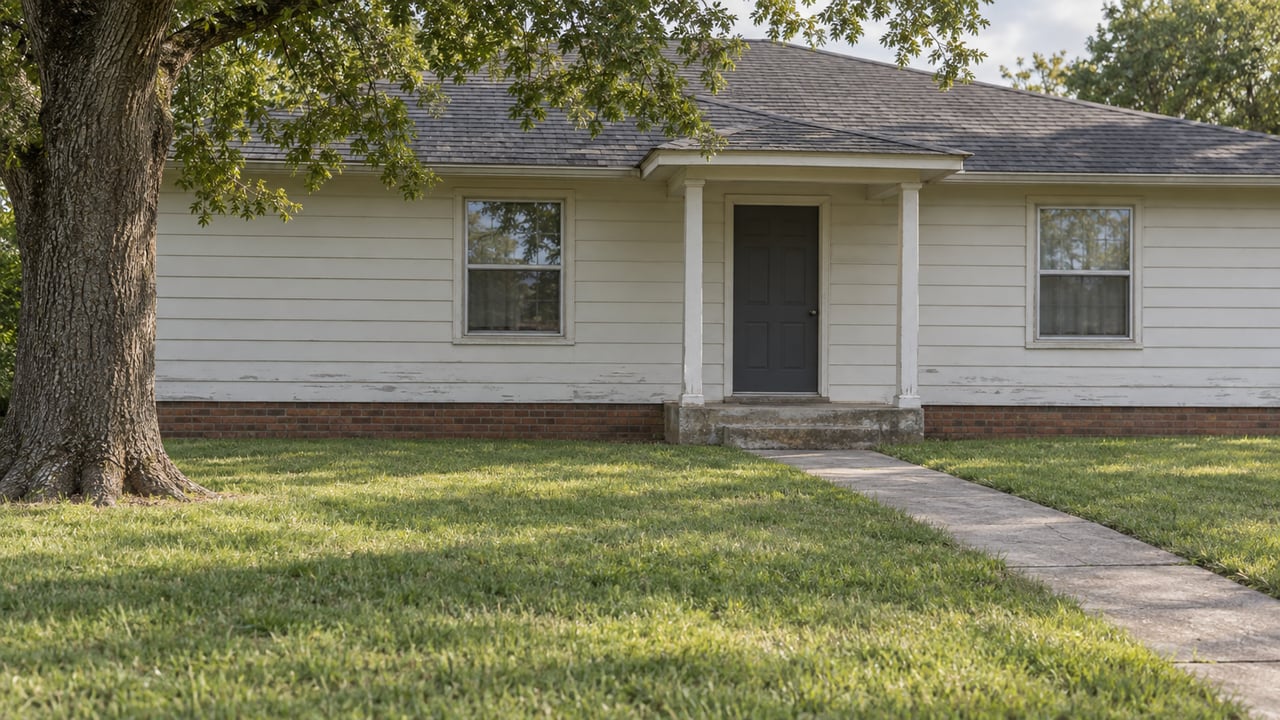
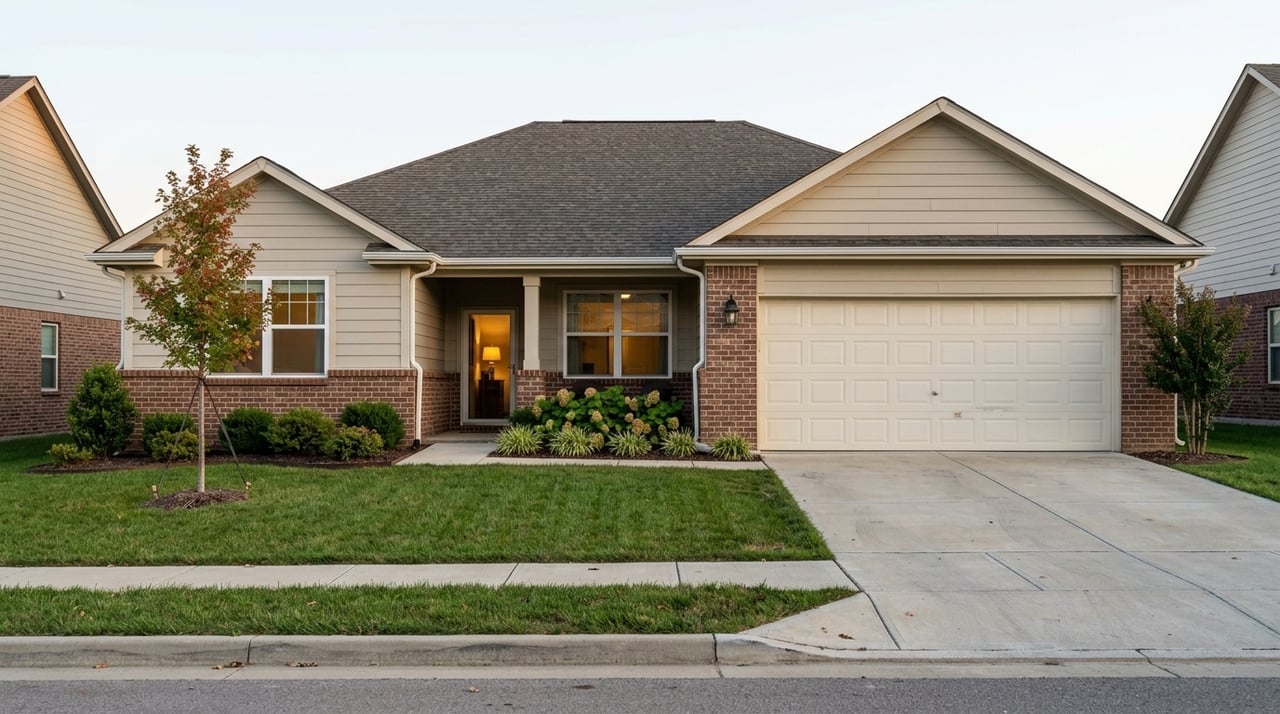
Many of the subdivision examples around Bolivar lean practical rather than flashy. You will often see traditional brick homes, single-level floor plans, attached garages, and yards that offer usable outdoor space without highly customized architecture.
You may also find more variety in lot size than you expect. Some in-town subdivision homes sit on lots closer to a standard neighborhood footprint, while other planned areas offer multi-acre lots with a residential feel, trees, and more separation between homes.
Common features you may see
- Brick or traditional-style exteriors
- Single-level or straightforward floor plans
- Attached garages
- Public street access
- Public utilities in some neighborhoods
- Septic systems in some larger-lot settings
- More yard space than older in-town homes may offer
Newer subdivisions vs. older in-town areas
Older in-town Bolivar has a different character from newer subdivisions. The city identifies three historic districts, and the downtown court square area is part of an ongoing historic revitalization focus.
For you as a buyer, that usually means older in-town homes may come with smaller lots, more architectural variation, and a very different value story than a home in a planned subdivision. A newer subdivision search is often more about predictable layout, utility access, and ease of comparison, while an older home search may involve more one-of-a-kind features.
Newer subdivisions vs. rural tracts
A rural property outside town is another category entirely. Larger lot sizes, less dense surroundings, and different utility setups can make those homes harder to compare directly with subdivision properties.
That is especially important if financing is part of your purchase. In a rural setting, value may be shaped as much by the land, access, and utility package as by the house itself. In a subdivision, the layout and services are usually more predictable, which can make the property easier to evaluate.
Why utilities matter more than many buyers expect
One of the biggest differences between subdivision options in the Bolivar area is the utility package. Some subdivision homes and lots are served by public water, sewer, and electric, while others may rely on septic systems even if they are part of a planned neighborhood.
That is why utility verification should happen early. A home with public utilities may fit your plans differently than one with septic, and that difference can affect maintenance expectations, lender review, and resale appeal.
Utility questions to ask early
- Is the property on public water?
- Is sewer available, or will the home use septic?
- Is electric service already in place?
- If the lot is vacant, what utility connections are already approved or installed?
- Is the property inside city limits or in the county?
Why plats and public streets matter
In Bolivar, subdivision rules require structure and documentation behind the scenes. City rules call for a two-step plat approval process, utility layout plans, public street frontage, and no private streets in subdivisions.
County rules for unincorporated areas also require plat approval before recordation and require improvements like streets, water, and drainage to be installed or secured before public acceptance. For you, that usually means a platted subdivision lot should offer more predictability than raw land, but it is still wise to confirm the details before you commit.
How appraisals work in a small market
This is where Bolivar buyers need a practical mindset. In a larger metro area, there may be several recent sales in the same subdivision. In Bolivar, the appraiser may have fewer local sales to work with, especially if the neighborhood is newer or sales happen infrequently.
When that happens, the best comparable may come from another subdivision, a nearby town, or an older sale that still reflects the market well. The key is not whether every comparable is perfect. The key is whether the value conclusion is supported by real market evidence and reasonable adjustments.
Why this matters to you
If you fall in love with a home based only on list price or an online estimate, you can run into trouble later. In a thin market, a clean-looking home in a newer subdivision still needs support from comparable sales, lot characteristics, condition, and utility setup.
That does not mean you should avoid these homes. It simply means you want to go in with a clear idea of how the property is likely to be viewed by the lender and appraiser.
What lenders and appraisers tend to focus on
For homes in newer or recently developed subdivisions, appraisers generally compare the property to the broader market area and to sales within the same subdivision when available. If there are few or no closed sales in the neighborhood, they may look at pending sales, competing developments of a similar type and size, or other verified builder sales.
Condition also matters, but not in a superficial way. A newer home may reduce repair concerns, yet buyers should still pay attention to safety, structural soundness, drainage, and overall property condition because those factors can affect financing and closing.
What to check before making an offer
Before you write an offer on a newer subdivision home or lot in Bolivar, slow down and verify a few basics. Doing this early can help you avoid surprises during financing, inspections, or appraisal.
Buyer checklist for newer subdivisions
- Confirm whether the property is inside Bolivar city limits or in unincorporated Hardeman County
- Verify whether the lot is platted and recorded
- Confirm the property fronts a public street
- Ask whether utilities are public or septic-based
- Look at recent sales in the same subdivision, if any exist
- Identify which nearby neighborhoods may serve as comparable alternatives
- Consider whether the lot size fits your financing goals and long-term plans
What this means for your home search
If you want a home that feels more predictable than a rural tract and more modern in layout than some older in-town options, Bolivar’s newer subdivisions can be a strong fit. You may find practical floor plans, manageable decision-making, and a setting that balances neighborhood structure with usable outdoor space.
At the same time, this is still a small market. Limited inventory, mixed lot sizes, and thin comparable sales mean your best move is to evaluate each property on its own merits rather than assuming every subdivision home will behave the same way in pricing or financing.
A careful, value-based approach can help you choose the right property and make an offer with fewer surprises. If you want clear guidance on how a specific home, lot, or subdivision may line up with market value and lender expectations, schedule a free consultation with Gina Inlow.
FAQs
What counts as a newer subdivision home in Bolivar, Tennessee?
- In Bolivar, a newer subdivision home can include a newer resale home, a home in a planned neighborhood with recorded lots and public street access, or a larger-lot residential property in a platted subdivision setting.
Are there many brand-new homes for sale in Bolivar, Tennessee?
- Current market research suggests direct new-construction supply in Bolivar is limited, so you may need to expand your search beyond the city or consider near-new resale homes in subdivision settings.
Why do utilities matter when buying in a Bolivar subdivision?
- Utilities affect maintenance, lender review, and resale, so you should confirm early whether a property has public water and sewer or relies on septic service.
How are Bolivar subdivision homes appraised when there are few recent sales?
- In a small market like Bolivar, an appraiser may use sales from the same subdivision when available, or look to similar neighborhoods, nearby towns, pending sales, or slightly older sales if they best reflect the market.
How are newer subdivisions different from older Bolivar neighborhoods?
- Newer subdivisions often offer more predictable lot layouts, street access, and utility planning, while older in-town areas may have smaller lots, more architectural variation, and a different value profile.
What should you verify before offering on a Bolivar subdivision lot or home?
- You should confirm whether the property is in the city or county, whether the lot is platted and recorded, whether it fronts a public street, what utilities are available, and how recent comparable sales support the price.